
Nature Notes Mid-spring Review


The start of May is a good time to reflect on how spring 2026 is progressing.
Following a wet winter, April was relatively warm and for much of the month, drier than usual.
Many aspects of our natural surroundings are progressing ahead of schedule. Yesterday (1st May) a spotted flycatcher was seen in the Leighfield area, completing the first arrivals in the County of all of our regular ‘summer visitor’ breeding bird species.
Much nearer home, in fact under our eaves, the first house martin that I have seen away from the reservoirs has just flown straight into its 2025 nest. Some of the birds that visit the area, en-route to breeding grounds further north, have shown up in good numbers.
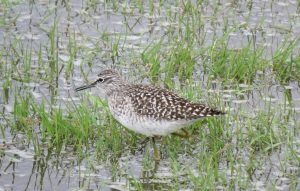
We have been treated to migrating parties of black and arctic terns and little gulls; passage waders have included the elegant wood sandpiper (pictured).
Butterflies
Butterflies have had an excellent April. Small, very active, silvery blue and holly blue butterflies seem to be everywhere. Many people that I have met have told me that they have seen this species in their garden or the local park this April. Other species that seem to be more abundant than usual include two species that are readily identifiable, orange tip and brimstone.
Insects
The season for flying odonata (damsel/dragonflies) is high summer. Small numbers start to emerge at the end of April. My first sighting this year was a large red damselfly seen in Great Glen on the first of May. This month should see the emergence of more members of this insect group.
Plants in our gardens, hedgerows and woodlands have, somewhat fleetingly, delighted the eye. Snowdrops, violets, celandines and cowslips have come and gone and the bluebells that turn woodland floors bright blue need to be seen now as they will soon disappear until next spring.
Our hedgerows have turned white with, first Blackthorn and now Hawthorn blossom.
Look out especially for house martins and swifts in built up areas. These species and, increasingly, peregrine falcons choose our buildings as nest sites. When you are out walking or driving in the countryside enjoy the pink and white spectacle of verges and ditches filled with red campion and white, cow parsley flowers.
 Dear Editor – Ancestry Visit