
Nature Notes – An Unexpected Winter


As you read this we will officially be in spring. It has been an unusual winter, following a bountiful autumn.
An abundance of berries
Whether you have fruit trees or berry bearing shrubs in your garden or along your street, you could not fail to notice the abundance of fruit for both humans and wildlife. There was an expectation that late autumn/early winter would bring large numbers of thrushes, including Redwings and Fieldfares. They come from the forests in north-east Europe to feast themselves on berries and rotting fruit. By now we know that this didn’t happen. These winter thrushes have been around, but in much lower numbers than a normal winter would bring. Other potential beneficiaries of seed and berry crops such as Bramblings and Waxwings have been very hard to find this year. You probably still have berries on some of your shrubs.
Fewer winter visitors
It may be some time before there is a full explanation of why this should be the case. It is possible that an equally abundant autumn in western Europe enabled “our” winter visitors to be well fed without crossing the North Sea. Alternatively, the extremely hot summer may have resulted in a poor breeding season for these species leading to fewer birds having to disperse to find food. It is also possible that weather patterns have in some way affected migration routes this year. In the final analysis it will probably be concluded that a number of factors came together leading to less need to undertake long westward migrations. As with any wildlife census work, what isn’t seen can be more thought provoking than what is seen.
Unprecedented numbers of wild geese
As if to contradict the above, it has been an exceptional winter for the arrival of wild geese, from the same direction that our thrushes normally come. The geese breed on tundra, to the north of the forests where the thrushes breed. Although they don’t share the same breeding habitat, their arrival would suggest that wind directions have not been a significant factor in these changes of fortune.
So the good news, for birdwatchers especially. White-fronted geese from the tundra regions on eastern Europe reach the UK each winter. Numbers fluctuate, but flocks of three figures are only found at a small number of traditional sites including Slimbridge on the Severn Estuary and Holkham marshes on the Norfolk coast. This winter there have been birds the length and breadth of the country in unprecedented numbers. In Leicestershire, a flock of 60+ between South Kilworth and Stanford Reservoir early in the New Year easily exceeded previous high counts for the site. Subsequently this species has been recorded from wetland sites across Leicestershire (including Eye Brook Reservoir, a short drive from Kibworth). On a number of days, the total number of these geese in Leicestershire and Rutland exceeded 100. Most years, if one or two turn up, birders get excited!
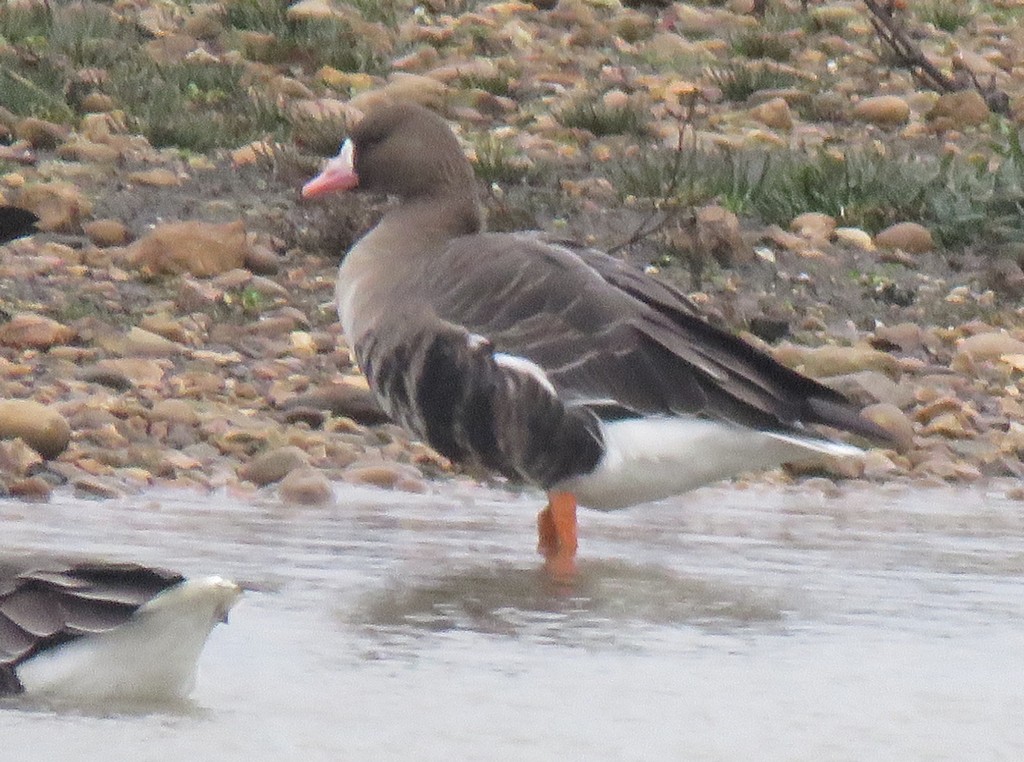
As if that wasn’t enough, Tundra Bean Geese have appeared at a number of local sites. They have been few in number and mostly moving on the same day that they were seen. Tundra Bean Goose and its close relative the Taiga Bean Goose are very scarce winter visitors in a normal year. Although the numbers are considerably fewer than those of the White-fronted Geese, the scatter of records from across the UK has been unprecedented.
There is still time to look out for winter birds but all being well, early summer visitors including the Rutland Ospreys, will be with us very soon. If you are reading this in mid-March, they are probably already here.
David Scott